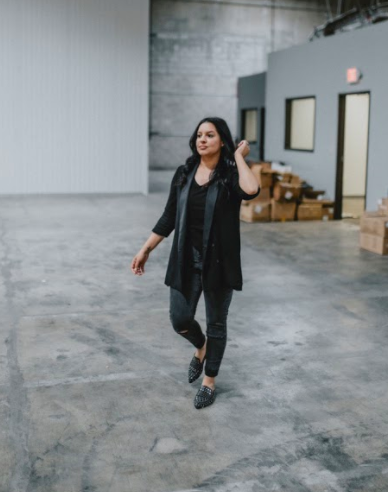
Dana Guerin, a noted film producer and public healthcare advocate, enters the conversation on community health through a commitment to improving access, strengthening local support networks, and promoting collaborative solutions that address long-standing gaps in care. Los Angeles County provides an instructive example of how complex a community’s health landscape can be.
Large populations, distinct demographic groups, unequal access to primary care, and wide income differences have produced uneven outcomes across neighborhoods. As public health leaders continue to look for effective strategies that reach underserved communities, community-centered health initiatives have gained traction as a model focused on prevention, connection, and localized support rather than reactive approaches that wait for crises to emerge.
Building Health Programs Rooted in Local Needs
Community-centered health initiatives take shape through sustained listening, structured investments, and targeted programs that respond to local circumstances. In many parts of Los Angeles County, limited access to primary care clinics, shortages in behavioral health services, and inconsistent transportation have shaped health behaviors for decades. These conditions make preventive care for vulnerable communities difficult and lead to higher emergency department usage, delayed diagnoses, and widening disparities in chronic disease outcomes.
Efforts to correct these patterns rely on partnerships between clinics, nonprofit organizations, and public agencies that work together to bring essential services into neighborhoods experiencing the greatest obstacles. These partnerships can improve screening rates, reduce hospital readmissions, and support individuals who struggle with complex medical and social needs.
“Community programs succeed when they respond directly to concerns expressed by the people who rely on them,” says Dana Guerin. “We mustn’t undervalue responsive, neighborhood-based solutions.”
The Role of Local Trust in Health Improvement
Trust remains one of the strongest predictors of whether individuals seek medical support early, attend follow-up appointments, or stay engaged in long-term treatment plans. Cultural alignment, language accessibility, and continuity of care shape these decisions. In many underserved communities, generations of limited access or negative experiences have contributed to mistrust in systems that were not built with their needs in mind.
Local health workers, neighborhood clinics, and community partners play a key role in reducing this distance. They create familiar points of contact, reinforce consistent guidance, and provide assistance that matches local circumstances. Trust also develops through visible investments, such as improved clinic infrastructure, expanded mobile health units, or telehealth services that reach individuals who face scheduling or transportation limitations.
“People engage when care feels accessible, reliable, and rooted in their community,” notes Guerin.
Integrating Arts, Wellness, and Emotional Support
Community-centered initiatives often combine clinical care with wellness programs that incorporate creative expression, movement, or social activities. These approaches acknowledge the influence of emotional resilience, stress, and isolation on overall health. Hospitals, clinics, and nonprofit groups throughout Los Angeles County have adopted creative arts programs, peer groups, and wellness workshops that support mental health and encourage participation in preventive services.
Programs that include music engagement, visual arts, storytelling, or collaborative projects create pathways for individuals to connect with others and strengthen their sense of belonging. These activities also help clinicians and support teams build rapport with participants who may feel hesitant to seek traditional medical services. By broadening the definition of health to include emotional and social well-being, these initiatives support the full spectrum of community needs.
Reducing Structural Barriers Through Targeted Support
Income, housing, employment, and environmental conditions all shape an individual’s ability to maintain good health. Community-centered initiatives aim to reduce the influence of these structural barriers. This work includes navigation support for insurance enrollment, help finding reliable transportation for appointments, access to healthy food, and guidance for managing chronic conditions.
Community health workers have become especially important across Los Angeles County. Their presence within neighborhoods allows them to recognize early concerns, direct individuals to appropriate support programs, and help families manage systems that can feel difficult to navigate. They also provide culturally aligned communication that improves health literacy and strengthens patient confidence. Expanding this workforce remains a priority for improving health outcomes in areas experiencing persistent disparities.
Scaling Mobile and Telehealth Access
Mobile clinics continue to play a major role in community health access across the region. These units travel to neighborhoods with limited medical infrastructure and provide screenings, vaccinations, maternal health services, chronic disease monitoring, and referrals. For individuals who face time constraints or employment demands that prevent in-clinic visits, mobile units provide a practical way to receive consistent care.
Telehealth complements this work by offering remote consultations, digital check-ins, and ongoing monitoring for chronic conditions. These tools help reduce emergency care usage and support early intervention. Telehealth access for low-income populations also allows families managing multiple responsibilities to prioritize preventive care even when in-person visits are difficult.
Both models illustrate how community-centered initiatives adapt to real-world conditions. They create flexible, accessible pathways that increase continuity of care and decrease long-term costs.
Collaborative Planning for Long-Term Impact
Sustainable community-centered health initiatives depend on coordination among healthcare organizations, public health departments, philanthropic partners, and local groups. Shared data systems, neighborhood health assessments, and multi-year investment plans help determine where the highest needs exist and which strategies produce measurable improvements. By aligning goals, partners can reduce duplication, concentrate resources where they are most effective, and track progress in real time.
Collaboration also strengthens preparedness for future challenges. With climate-related health risks, population changes, and ongoing workforce shortages, coordinated planning enables swift adaptation and focused resource deployment.
“Stronger networks create stronger outcomes for the people who depend on them,” says Dana Guerin, affirming the value of long-range cooperation.
Looking Ahead at Community-Centered Care Models
As Los Angeles County continues to refine its approach to community health, initiatives that integrate medical care, prevention, emotional well-being, and local trust will play an increasing role. Long-term improvements require stable funding, workforce development, accessible technology, and shared responsibility across institutions. This model prioritizes early intervention, localized support, and strategies grounded in lived experience.
Community-centered care offers a practical path for regions facing similar disparities. It creates space for collaboration, resource alignment, and interventions that match the day-to-day realities of people who often face the steepest obstacles. Through ongoing investment and coordinated planning, these initiatives have the potential to drive measurable progress for years ahead.