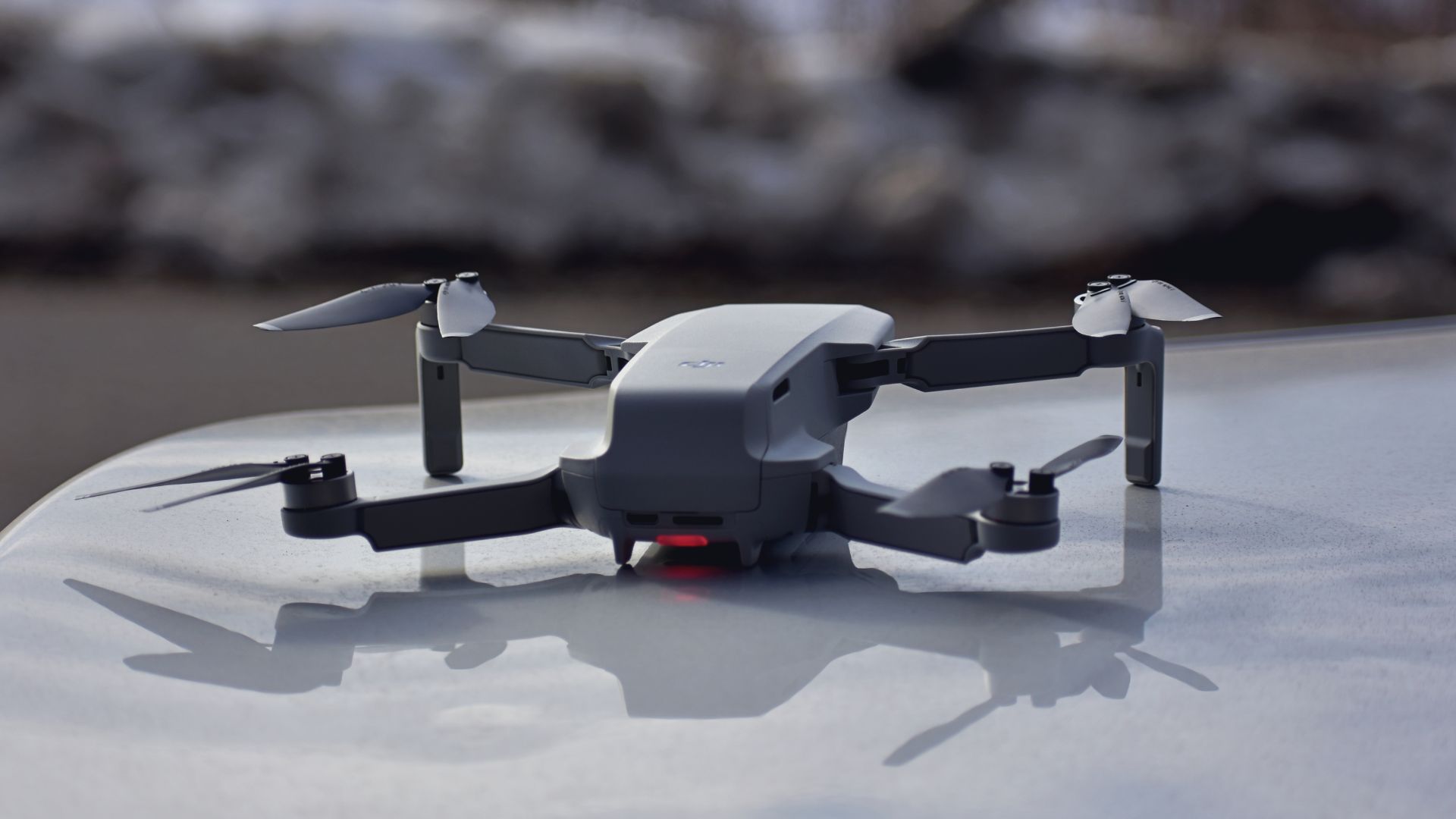
On September 8, 2026, ZenaTech brought a fascinating franchise strategy for branded, drone-based power washing delivered through its Drone as a Service platform. The initiative is still in the planning stage, and the drone-enabled cleaning capability is not yet commercially deployed, but the model is garnering a lot of attention.
Valuates Reports says the global drone cleaning services market already exceeded $5 billion in 2024 and will reach over $15 billion by 2031. Even for entrepreneurs who don’t consider themselves drone experts, that annual growth rate of almost 17% is intriguing. And soon, they may be able to take advantage of it.
“We’re planning to combine a proven franchise foundation with a Drone-as-a-Service approach,” explains Linda Montgomery, Vice President of Corporate Development and Investor Relations at ZenaTech. “It should allow local operators to focus on winning and serving customers while we ensure that the technology and workflows evolve in a structured way.”
How Drone as a Service franchises could give founders a real on-ramp
ZenaTech’s plan builds on its recent acquisition of Green Earth Powerwashing LLC. This Florida-based cleaning service already has a registered franchise system and franchisees serving municipal, commercial, and hospitality customers across central and south Florida.
The venture into power washing illustrates how entrepreneurs can leverage franchises to deploy autonomous drone technology. Drones work quickly, but training, safety, scheduling, quality control, equipment upkeep, and finding the right kinds of jobs that pay well make drone-based businesses difficult to scale.
That’s where a franchise model built on an established system could become a practical bridge. Where Green Earth Powerwashing brings on-the-ground experience, the acquisition provides franchise infrastructure and real customer relationships, and ZenaTech provides the equipment and expertise.
“Franchising is a repeatable operating system,” Montgomery observes. “If ZenaTech finalizes a drone-based power washing franchise model, that structure could help new owners avoid the ‘figure-it-out-as-you-go’ phase that can sink a small service business.”
What the Drone as a Service power washing model could change for local operators
Traditional exterior cleaning is physically demanding work that depends on lifts and scaffolding. ZenaTech’s concept aims to use its IQ Square drones fitted with a pressurized cleaning attachment and water system to wash building exteriors and other hard-to-reach surfaces. In addition to enhanced service speed and consistency, a drone controlled by an operator on the ground could greatly improve worker safety.
The implications for a local franchise owner could be significant. Not only could they potentially bid on higher-value jobs, but there is also the advantage of standing out in a crowded market. Power washing is competitive, and a branded, drone-enabled service could provide a clear “why us” that property managers and municipalities can easily understand.
Florida first: Why the rollout could start where demand is dense
ZenaTech plans to begin services in Florida. While this location is the home of Green Earth, it is also strategic.
Florida’s beachfront towers and hotel corridors come in continuous contact with humidity and salty air. Its parking structures and public spaces constantly fight algae and exhaust residue, and the state is occasionally battered by hurricanes and tropical storms. That recurring need is exactly what could make a franchise owner’s business steadier month to month.
How autonomous drones and the Drone as a Service model could remove a common startup burden for local entrepreneurs
A major reason small service companies stall is the capital intensity involved in buying equipment and hiring specialized staff. After that, the equipment must also be maintained and upgraded. ZenaTech describes its Drone as a Service platform as a subscription-based way for business and government customers to access drone services without the costs or operational burdens of drone ownership.
Translating that into the context of a franchise creates an intriguing possibility. Rather than every local owner building a mini drone department from scratch, the franchise system could standardize how the drones are integrated by handling training, workflows, support, and quality standards, allowing the owner to focus on operations and customer relationships.
Montgomery summed up what’s at stake for local entrepreneurs by saying, “People want a business they can run reliably. This franchise model could give local owners the brand, processes, and evolving drone-enabled capabilities to compete for larger contracts while still staying rooted in their community.”
The vision resonates because it connects the desire for local, hands-on business ownership and the need for safer, more scalable ways to serve large properties. This Drone as a Service franchise approach could become a new kind of on-ramp where local operators don’t have to choose between running a practical service business and keeping up with the next wave of technology.
For many communities, that blend of local pride and modern tools might be exactly what the market has been waiting for.