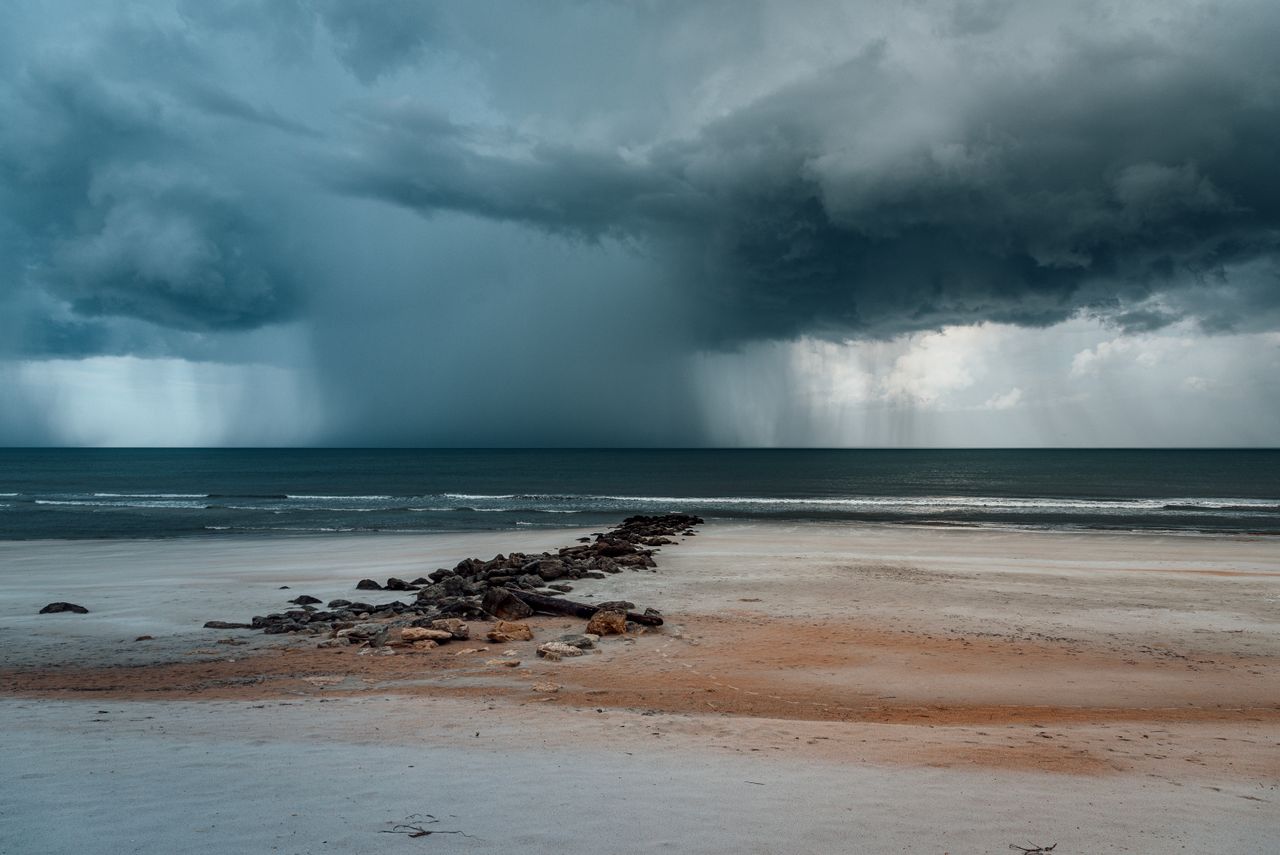
In the wake of Tropical Storm Dolly’s remnants moving across the area, South Florida property owners have been contacting mold remediation providers at a higher rate. The storm never developed into a major threat with strong winds, yet the leftover moisture produced several rounds of soaking rain during the first days of September. That extra water, layered on top of the region’s normal heat and sticky air, has left many buildings primed for mold problems.
Mold spores in the air tend to float around at all times, especially if you’re living in South Florida. Once wood, drywall, carpet, or insulation stays wet longer than a day or two, those spores find the conditions they need to multiply. The region’s climate shortens that timeline. Daytime highs can get up into the upper 80s and humidity that often sits above 70 percent keeps surfaces from drying on their own. After the rain from Dolly’s remnants, roofs leaked, window frames allowed seepage, and low spots collected standing water. Even limited amounts of moisture can start growth if no one steps in quickly.
People have described noticing a musty smell, dark patches on walls, or flooring that feels soft underfoot within days of the heaviest downpours. Sometimes the dampness hides inside walls or under floors and only shows up later. Surface wiping rarely fixes the full issue, so more owners are turning to thorough inspections. Typical work includes locating the water source, sealing off the zone, taking out ruined materials, and drying the structure completely. Air scrubbing and follow-up checks often round out the process to make sure levels of spores drop back to ordinary outdoor readings.
The rise in mold remediation service requests covers both residential and commercial properties. Apartment buildings, offices, and stores near the coast and farther inland have reported similar concerns. Structures built years ago with thinner weather barriers tend to show more trouble, though newer ones can still suffer when drains clog or seals around openings fail. Homeowners insurance policies usually limit coverage for mold damage to certain situations, which leaves many owners weighing their options carefully.
Scattered storms that continue after the main moisture from Dolly has moved on keep outdoor ground wet and indoor air humid. Portable dehumidifiers and better airflow offer temporary relief, yet they cannot replace the need to dry soaked building parts. Delaying action allows growth to move into untouched sections, expanding the job and the expense.
This pattern has appeared before when tropical systems delivered heavy rain without severe wind damage. Water, warmth, and humidity together create challenges that call for direct steps. Checking attics, crawl spaces, and spaces behind furniture for dampness, then fixing leaks right away, still ranks as the simplest way to keep problems small.
With the hurricane season still underway, the effects of Dolly’s leftover moisture underline how fast indoor conditions can shift after extended rain. According to some local companies like Mold Only, requests for mold remediation services have climbed in response, driven by the everyday need to bring living and working spaces back to a dry, usable state.