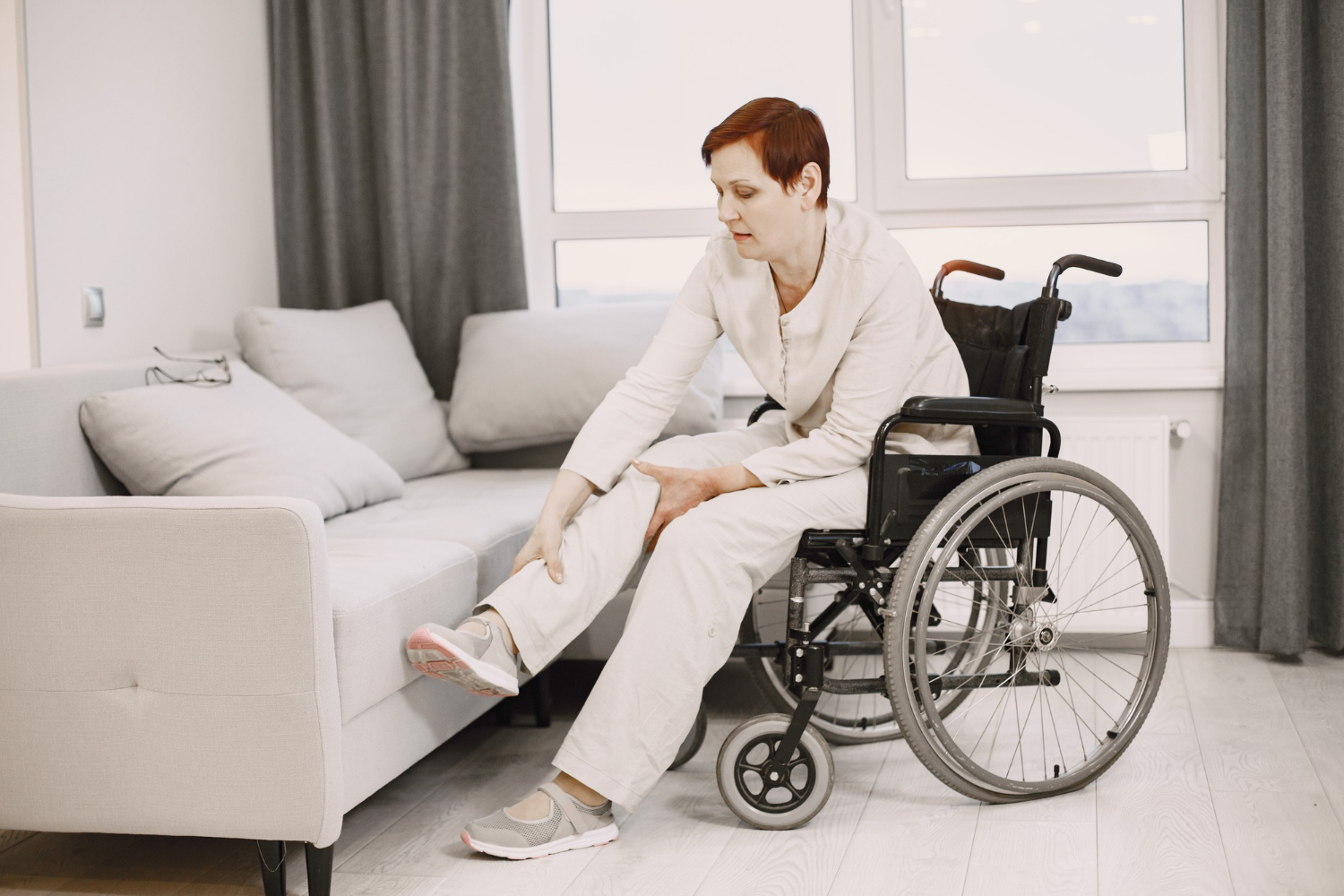
When a family member experiences a life-altering event that results in quadriplegia, it brings significant changes for everyone. The journey involves physical and emotional adjustments for the individual and their entire support network. Families often find themselves navigating new responsibilities, from providing daily personal care to modifying the home to ensure it is safe and accessible. Creating a supportive environment is fundamental to helping your loved one adapt and maintain a good quality of life.
This process requires patience, learning, and a coordinated effort from all family members. Understanding the types of support needed and the adaptations that can make a difference is the first step. With the right approach, families can work together to create a new normal that is both functional and fulfilling for everyone involved.
Creating an Accessible Home Environment
One of the most immediate and practical challenges is adapting the home. The goal is to create a space that promotes as much independence as possible while ensuring safety. An occupational therapist can perform a home assessment to recommend specific modifications tailored to your family member’s needs. These changes can range from simple additions to more extensive renovations.
Common adaptations include:
- Installing ramps for wheelchair access at entrances and widening doorways to accommodate mobility equipment.
- Modifying the bathroom with a roll-in shower, grab bars, and an accessible toilet.
- Adjusting the kitchen with lower countertops and accessible storage to allow for participation in daily activities like meal preparation.
- Ensuring the bedroom is spacious enough for easy movement and may include a specialised bed or hoist for transfers.
These modifications can help reduce physical barriers and allow the individual to move more freely and safely within their own home.
Emotional and Psychological Support for Everyone
The emotional impact of a spinal cord injury affects both the individual and their family. It is normal for everyone to experience a range of emotions, including grief, frustration, and anxiety. Open and honest communication is vital for processing these feelings together. Creating a space where everyone feels comfortable sharing their thoughts and worries can strengthen family bonds during a difficult time.
Family members often take on caregiving duties, which can be emotionally and physically demanding. It is important for carers to also look after their own well-being to avoid burnout. Seeking support from others who have gone through similar experiences, such as joining a support group, can provide valuable insight and a sense of community. Encouraging your loved one to engage in hobbies and social activities they enjoy can also help rebuild confidence and maintain important social connections.
Adapting Daily Routines and Personal Care
Establishing new daily routines is a key part of adjusting to life with quadriplegia. This involves personal care tasks such as bathing, dressing, and managing bladder and bowel function. While family members often provide much of this support, assistive technology can play a big part in promoting independence. These tools are designed to help with a wide range of tasks, from communication to controlling the home environment.
Voice-activated smart home devices can control lights, thermostats, and entertainment systems, giving the individual more control over their surroundings. Specialised utensils and robotic feeding devices can assist with mealtimes, while other equipment can help with mobility and communication. Exploring these options can empower your loved one and reduce their reliance on others for certain tasks.
A Practical Example of Evolving Needs
Consider a family whose teenage son has recently returned home after a spinal cord injury. Initially, they convert their downstairs living room into a bedroom and install a ramp for access. His parents and siblings help with daily tasks like transfers and personal care. For a while, this setup works well. However, as time passes, they notice he is developing pressure sores from spending long periods in his wheelchair and bed.
His care team recommends a pressure-relief mattress and a ceiling hoist to make transfers safer and more comfortable. These new requirements mean additional costs and learning how to use the equipment correctly. The family must reassess their budget and participate in training sessions. This scenario shows how care needs can change, requiring families to be flexible and prepared to adapt their support over time.
Finding Sustainable Support Structures
Adjusting to life with quadriplegia is an ongoing process for the entire family. Creating a safe home, providing emotional support, and establishing new routines are all important parts of the journey. As needs evolve, the support structure may need to change as well. It is important to remember that you are not alone, and there are resources available to help you.
Engaging with healthcare professionals and support networks can provide guidance and practical assistance along the way. For many families, finding the right balance of support is essential for long-term well-being. Professional guidance on family adaptations for quadriplegia care can offer structured help and resources. This support can make a significant difference in managing the challenges and helping your loved one lead a fulfilling life.