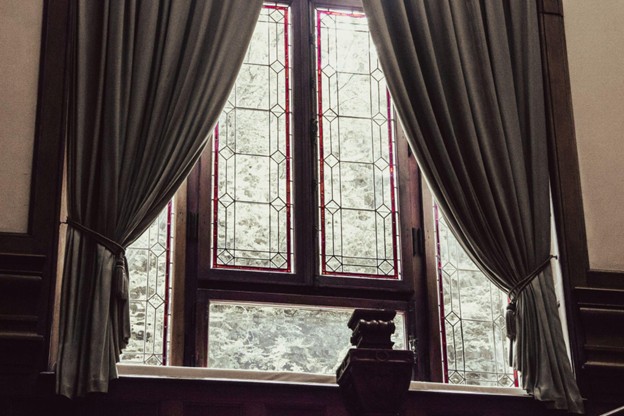
Alex Chubbuck, owner and Director of Skyline Interiors, has spent years working with commercial clients who invest heavily in architecture, furnishings, and technology while underestimating the financial return of professionally designed and installed window treatments.
From office buildings to hospitality environments, window systems quietly influence energy efficiency, employee productivity, brand perception, and long-term maintenance costs. When viewed through a strategic lens, they represent one of the most underestimated contributors to operational return on investment in commercial interiors.
Why Window Treatments Are Often Misclassified as Decorative
In many commercial projects, window treatments are treated as finishing touches rather than infrastructure decisions. Budget conversations often prioritize flooring, furniture systems, and lighting while relegating shades or drapery to aesthetic consideration alone.
This framing overlooks how deeply window systems affect building performance. Natural light management directly influences heating and cooling loads, glare reduction impacts productivity, and material durability determines replacement cycles. When these elements are evaluated independently rather than holistically, organizations miss measurable cost savings and operational efficiencies.
“I see window treatments evaluated as décor far too often,” says Alex Chubbuck. “In commercial environments, they perform more like building systems than accessories.”
Reframing window treatments as functional assets changes how they are specified, installed, and maintained. It also shifts decision-making from short-term cost to long-term value.
Energy Efficiency and Cost Containment
One of the most quantifiable returns of properly installed window treatments is energy efficiency. Commercial buildings with large window expanses experience significant heat gain and loss throughout the day. High-performance shades, solar fabrics, and automated systems reduce reliance on HVAC by regulating interior temperature naturally.
Motorized systems programmed to respond to sunlight intensity can lower cooling demand during peak hours. In colder climates, insulating materials reduce heat loss near window zones. Over time, these efficiencies translate into reduced utility costs and extended HVAC system lifespan.
From an ownership perspective, these savings compound. Reduced strain on mechanical systems lowers maintenance expenses and delays capital replacement timelines. The result is a quieter, steadier form of ROI that accumulates month after month.
“When window systems are specified and installed correctly, the building works less to maintain comfort,” notes Chubbuck. “That efficiency shows up in operating budgets long after installation day.”
Productivity, Comfort, and Human Performance
Beyond energy metrics, window treatments play a critical role in occupant experience. Excessive glare, inconsistent lighting, and poor thermal comfort reduce productivity in offices and disrupt guest experience in hospitality environments. Employees adjust blinds manually, work around screen glare, or experience fatigue from uncontrolled daylight exposure.
Well-designed systems eliminate these friction points. Automated shading aligned with building orientation maintains visual comfort throughout the day. Diffused natural light improves concentration without sacrificing brightness. These improvements are subtle but cumulative.
Studies consistently link visual comfort and thermal stability to higher productivity and reduced absenteeism. In commercial spaces where labor is the largest operating expense, even marginal productivity gains produce an outsized financial impact.
Brand Perception and Client Experience
In client-facing environments, window treatments contribute directly to brand perception. Hospitality venues, medical offices, and corporate headquarters communicate professionalism and attention to detail through their interiors. Poorly fitted shades, uneven drapery, or malfunctioning systems undermine that message.
Conversely, clean lines, consistent operation, and integrated design reinforce credibility. Window treatments frame views, soften acoustics, and complement architectural intent. When installed precisely, they elevate the entire space without drawing attention to themselves.
From a financial standpoint, brand perception influences customer retention, leasing value, and tenant satisfaction. Well-maintained interiors reduce turnover and support premium positioning. These outcomes are difficult to quantify individually but impossible to ignore collectively.
Installation Quality as a Financial Multiplier
Material selection alone does not determine ROI. Installation quality often separates long-term performance from recurring expense. Improper mounting leads to uneven wear, mechanical strain, and early failure. Misaligned systems create visual inconsistency and operational frustration.
Professional installation ensures that products function as designed. Accurate measurements, correct mounting hardware, and precise calibration protect both the product and the surrounding structure. This attention to detail reduces service calls, warranty claims, and premature replacements.
From an ownership perspective, installation quality protects capital investment. It extends product lifespan and preserves manufacturer warranties. Over time, the cost difference between professional installation and shortcuts becomes substantial.
“I’ve seen identical products deliver completely different outcomes based solely on installation quality. The return isn’t in the fabric alone. It’s in how the system is executed,” says Chubbuck.
Maintenance, Longevity, and Lifecycle Costs
Commercial spaces demand durability. Window treatments must withstand frequent use, environmental exposure, and cleaning protocols. Selecting commercial-grade materials and installing them correctly reduces ongoing maintenance and replacement cycles.
Motorized systems designed for high-use environments perform reliably when installed within manufacturer specifications. Manual systems benefit from reinforced components and proper tensioning. These considerations reduce downtime and service interruptions.
Lifecycle cost analysis consistently favors solutions that balance upfront investment with longevity. When window treatments last longer and require fewer repairs, the total cost of ownership decreases even if initial costs are higher.
This approach aligns with broader facilities management strategies that prioritize predictable expenses over reactive spending.
Technology Integration and Building Performance
Modern commercial buildings increasingly integrate window treatments with lighting, HVAC, and building management systems. Smart shading tied automatically to daylight sensors and occupancy data improves energy performance and occupant comfort simultaneously.
These integrations depend on precise installation and programming. Misalignment between systems creates inefficiencies rather than improvements. When executed correctly, however, integrated window systems become active contributors to building intelligence.
As smart building adoption increases, window treatments will play a larger role in performance optimization. Their value extends beyond aesthetics into measurable operational data and control.
The Strategic Perspective on ROI
The commercial window treatment return on investment rarely appears as a single line item. Instead, it emerges through energy savings, productivity gains, brand reinforcement, reduced maintenance, and extended system lifespan.
Each benefit alone may appear incremental, but together they form a compelling financial case. For commercial decision-makers, the challenge lies in recognizing these cumulative effects early in the design process.
When window treatments are specified strategically and installed professionally, they deliver value well beyond their initial scope. ROI isn’t always immediate or obvious, but in commercial interiors, the quiet performers often deliver the most reliable returns.
A Smarter Way to Evaluate Interior Investments
As commercial environments continue to evolve, building owners and operators are reevaluating how interior elements support financial performance. Window treatments occupy a unique position at the intersection of comfort, efficiency, and design.
Evaluating them as operational assets rather than decorative features leads to smarter decisions and stronger outcomes. When paired with professional installation and long-term planning, they become a durable contributor to building success.
The overlooked ROI of window treatments is not hidden but simply distributed across systems, experiences, and time. Those who understand that distribution position their spaces for sustained performance and value.